
Green light-blocking glasses with red lenses: a must-have for a better night’s sleep
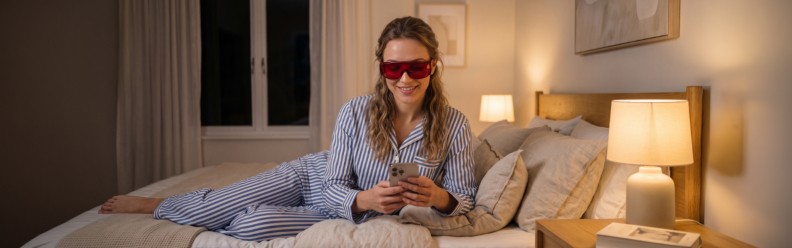
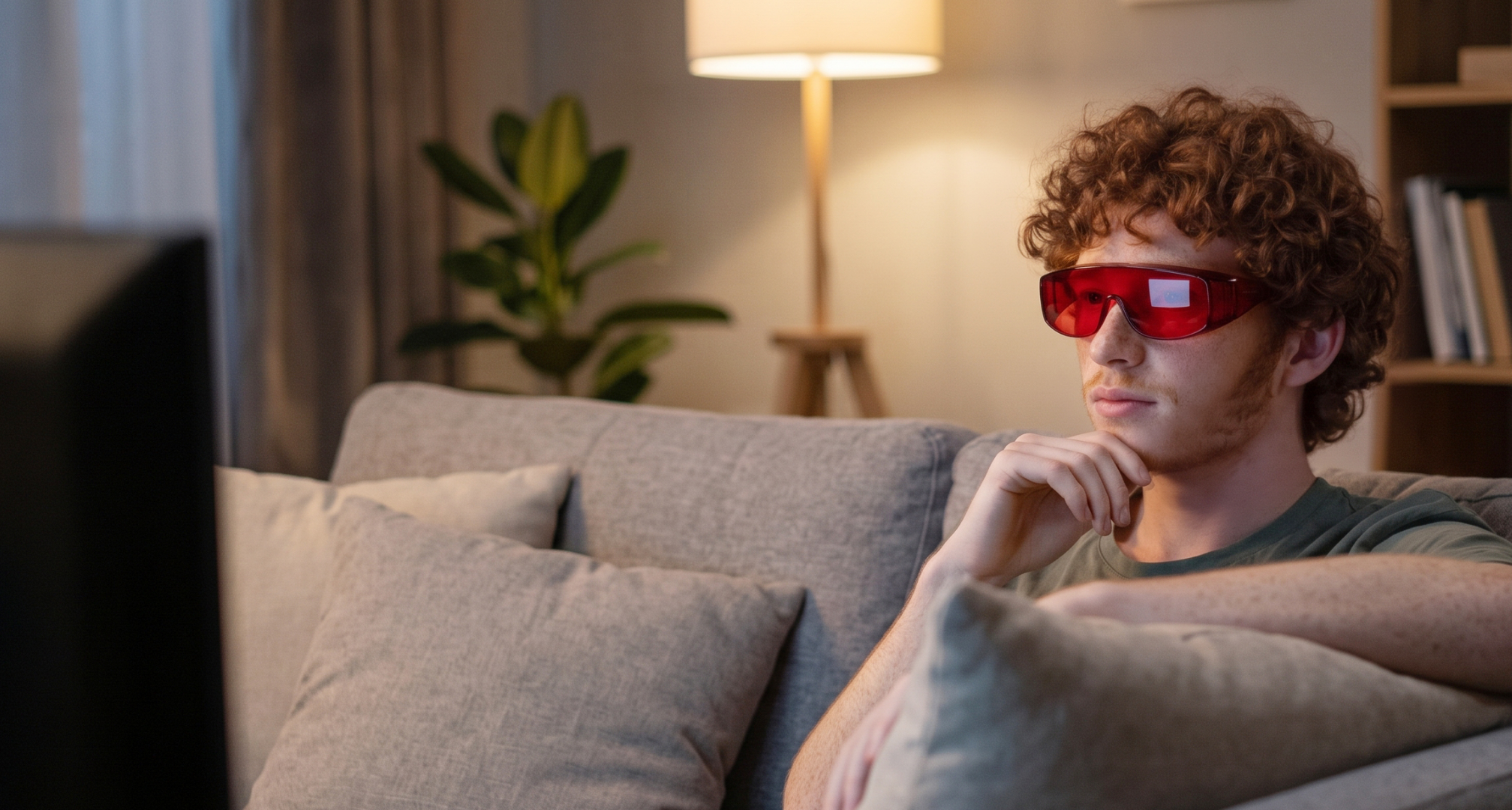
From the world of eye wear comes a new wellness ritual designed to promote evening relaxation: glasses with red lenses that block green light, which are linked to sleep disturbances, as our modern lifestyle keeps us more and more exposed to luminous sources at any hour of the day.
Blue and green light-blocking glasses fitted with red, orange, or yellow lenses are designed to reduce exposure to those wavelengths of light, particularly in the evening. Try them as part of your nighttime routine to create a calmer environment and support relaxation before bed. These glasses may also help reduce headaches and eye strain caused by the overuse of digital devices.
Where to find blue and green light-blocking glasses
Right here at Lentiamo! Discover the new range of UVtech glasses designed to improve eye health and sleep patterns by reducing the effects of artificial lights and digital screens.
These glasses are made to minimise eye strain and provide greater comfort when working, studying, or using digital devices, particularly in the evening hours leading up to bedtime. They are available in many unisex designs, including models that can be worn over your regular glasses.
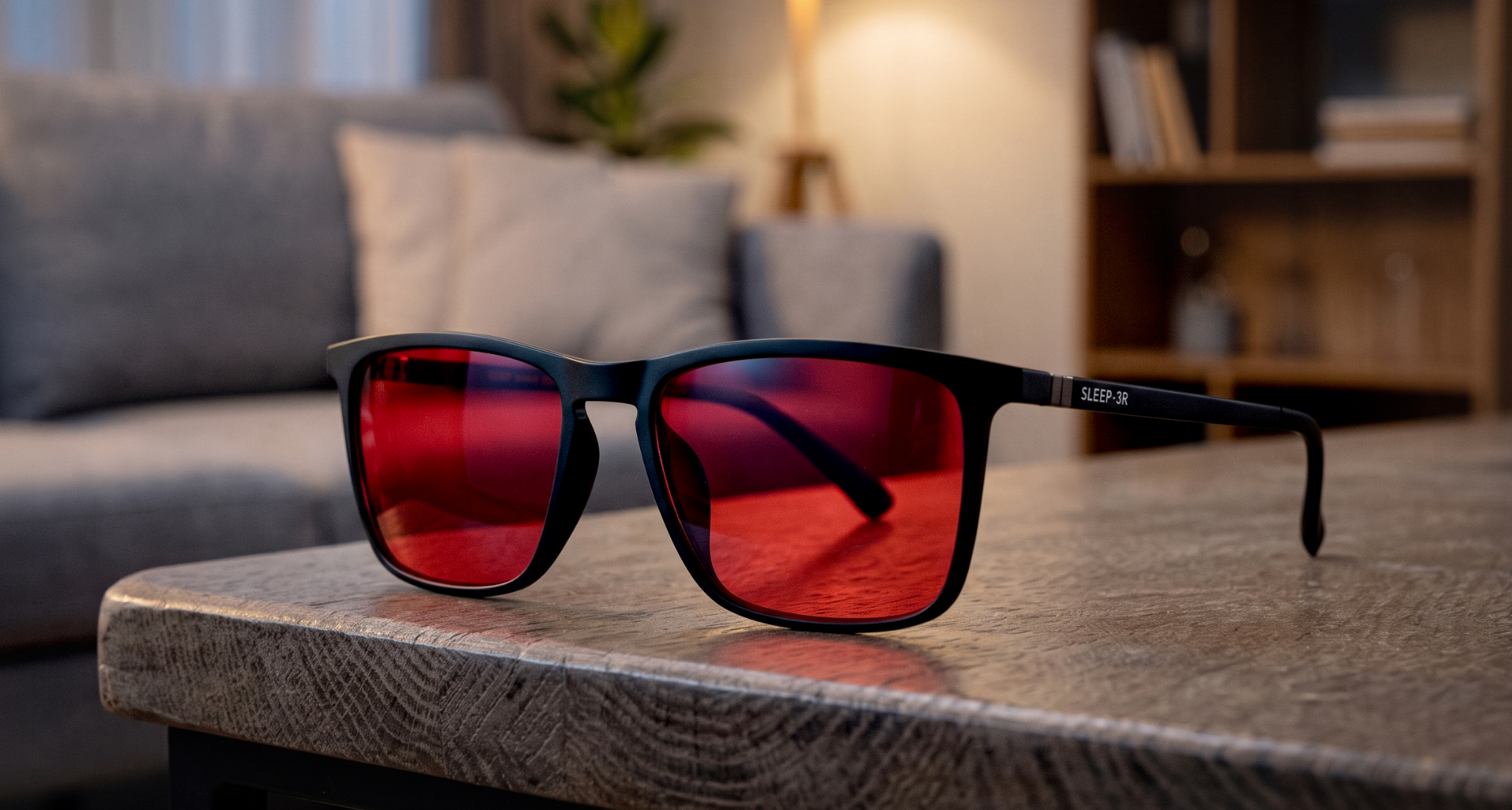
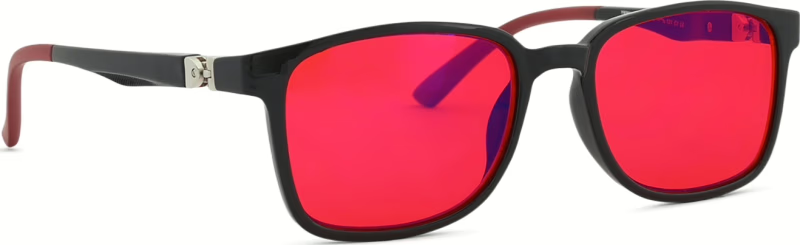

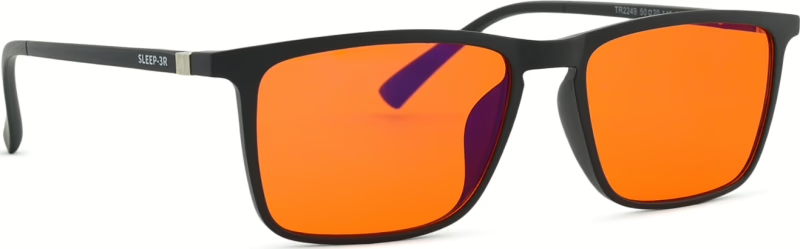
You can choose between these kinds of tinted lenses, according to your needs and usage.
- Red lenses – Offer the strongest protection, filtering up to 100% of blue and green light. Wearing red-lens glasses one or two hours before bed may help support the body’s natural melatonin production.
- Orange lenses – Block up to 100% of blue light and 80% of green light. They work well for evening screen time or watching TV because they cause less colour distortion. Orange-lens glasses are also designed to be worn one or two hours before bed.
- Yellow lenses – Filter up to 80% of blue light and can be used with computers during the day or evening to help reduce eye strain. Their main benefit is that they cause very little colour distortion.
Try them if you're experiencing...
- Headaches linked to eye fatigue
- Eye strain caused by screen light exposure
- Hard time falling asleep
- Shallow or restless sleep
- Tiredness upon waking
Are blue and green light always harmful?
Not at all! Although nowadays blue and green light is often discussed because of their possible negative effects, they also have important benefits and are a normal part of everyday life. These wavelenghts occur naturally in sunlight and help support several of the body’s essential processes. They can increase alertness, support memory and brain activity, improve mood, and help regulate the body’s internal clock, known as the circadian rhythm, which guides the natural cycle of being awake and asleep. But precisely because these light frequencies are so important for our well-being during the day, they can become detrimental when we actually need to help our bodies enter a state of rest.
A few evening tips to help you get a more restful night’s sleep
Tinted blue and green light-blocking glasses are an easy and budged-friendly way to reduce your nighttime exposure to the wavelengths that may disrupt the normal circadian rhythm. However, always remember that a comprehensive approach goes a long way.
Here's a few easy tips to implement in your evening routine:
- Reduce screen time – Limiting device use, particularly before bed, may help improve sleep quality.
- Enable night mode and dim your screen – Use your device’s night mode or read mode filter to reduce the quantity and frequency of light it emits.
- Remember to blink – When we use digital devices, our blink rate decreases without us realising it. This leads to dry eyes and consequent tension in the eye and forehead area.
- Prefer soft, indirect light – Using this kind of lighting in your space can reduce glare and contrast, easing eye strain while working, gaming, scrolling, or watching TV.
- Let some fresh air into your bedroom – One or two hours before going to bed, open the window to let fresh oxygen into the room where you’ll be sleeping.
- Take regular breaks – Step away from screens and give your eyes a chance to rest, especially in the hours that precede bed time.
Simple lifehacks like dimming screens and using soft room lighting before bedtime are good habits that can help you in your goal of maintaining a consistent sleep schedule. To find out more on the correlation between digital devices and rest, read our in-depth article on the impact of blue light on sleep.
However, poor sleep, eye fatigue and headaches can have many causes, so wearing protective glasses and following these simple tips alone may not be enough to solve the problem once and for all. If the issues persist, consult an eye-care professional or healthcare provider.



Comments